

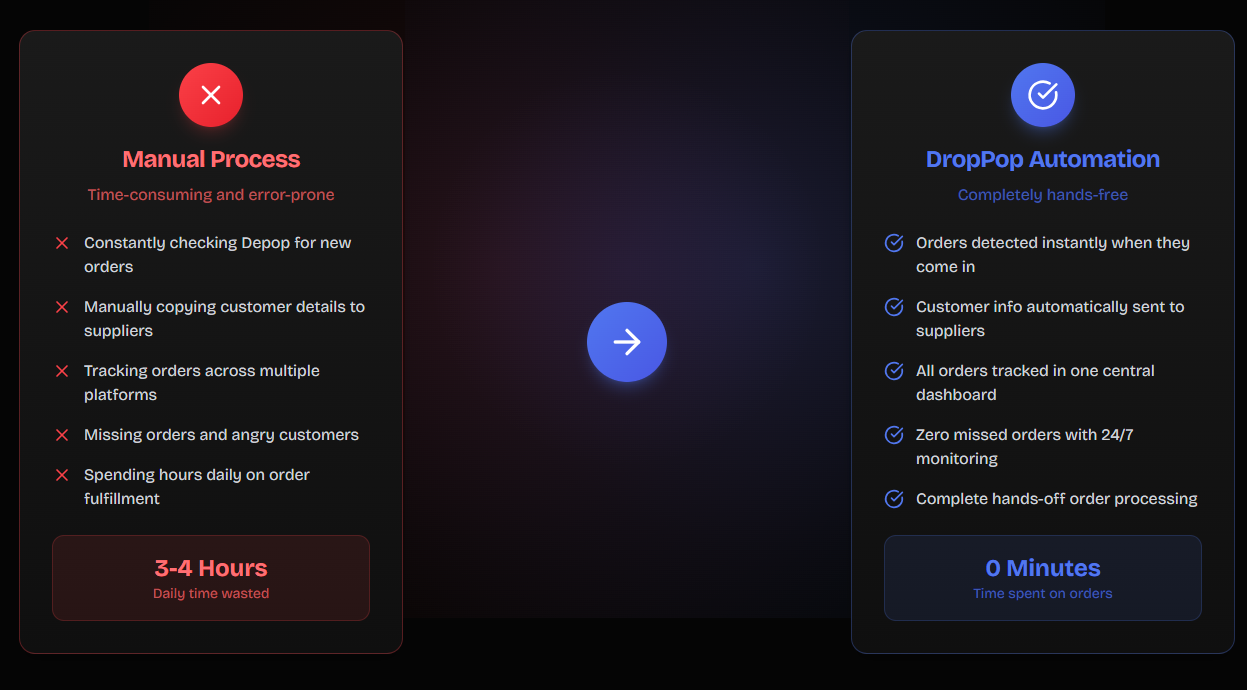
The#1 Dropshipping AI Toolto Automate Etsy with AI
The landscape of digital commerce has undergone a significant transformation from simple storefronts to complex, data-driven ecosystems. At the center of this evolution are specialized tools designed to streamline the identification, sourcing, and scaling of consumer products. Droppop, often referred via its domain droppop.io or its technical designation droppop ai, represents a specific class of software-as-a-service (SaaS) platforms focused on the optimization of the resale and dropshipping supply chain. This article provides an exhaustive technical analysis of the platform, the a6x6t methodology it employs, and its role in the broader e-commerce market involving platforms such as Depop and Flippa.
Historical Evolution of Sourcing Software
The origins of automated sourcing can be traced back to the early 2010s when basic web scraping tools were first used to monitor inventory levels on large-scale retail sites. Early iterations of these tools were often rudimentary, requiring manual configuration and providing static data that quickly became obsolete.
As the industry moved toward real-time data processing, the need for more sophisticated logic became apparent. This led to the development of the first-generation product research tools. However, these tools often suffered from “data lag,” where the information provided was already being exploited by thousands of other sellers.
The emergence of droppop.io marked a shift toward predictive analytics. Instead of merely reporting what had already sold, the integration of droppop ai allowed users to identify emerging trends before they reached peak saturation. This historical shift from reactive data to predictive modeling is what defines the current era of “smart sourcing.”
Development of the Resale Market
The rise of platforms like Depop created a unique niche for sourcing tools. Unlike traditional Amazon or eBay models, the resale market is driven by aesthetic trends, vintage cycles, and individual curator influence. Standard dropshipping tools were often ineffective in this environment. Droppop was developed to bridge this gap, providing data points specific to the “vibe” and “aesthetic” metrics that drive sales on platforms like Depop.
The Shift to Automation
By 2020, the e-commerce sector required higher levels of automation to remain competitive. The introduction of the a6x6t framework within the droppop io ecosystem allowed for the automation of multi-variate testing. This meant that a user could test dozens of product categories simultaneously, utilizing AI to filter out low-probability items.
The a6x6t Matrix Analysis: A Technical Overview
The “a6x6t” seed refers to a specific algorithmic structure used within the droppop.io backend to categorize and rank product viability. This matrix operates on two primary axes: the “a” axis (Analytical variables) and the “t” axis (Temporal variables), structured in a 6×6 grid.
The Six Analytical Variables
- Velocity of Sales: This metric tracks how quickly an item moves from listing to “sold” status across various platforms.
- Saturation Index: A calculation of how many active sellers are offering a similar product vs. the current buyer demand.
- Profit Margin Elasticity: Analyzes the gap between the lowest wholesale cost and the highest successful retail price.
- Keyword Density Trends: Monitors the frequency of specific search terms related to the product on droppop ai.
- Engagement Ratio: Measures likes, saves, and comments relative to view counts on platforms like Depop.
- Logistics Feasibility: A technical score based on shipping weights, dimensions, and global supply chain stability.
The Six Temporal Variables
- Seasonality Coefficient: Adjusts the product score based on the time of year.
- Trend Lifecycle Position: Determines if a product is in the “Innovation,” “Early Adoption,” “Peak,” or “Decline” phase.
- Restock Frequency: Tracks how often primary suppliers update their inventory.
- Macro-Economic Sentiment: Uses droppop io data to correlate consumer spending habits with product categories.
- Social Media Viral Potential: Analyzes short-form video data to predict upcoming surges.
- Historical Longevity: Evaluates if a product category has recurring value over multi-year cycles.
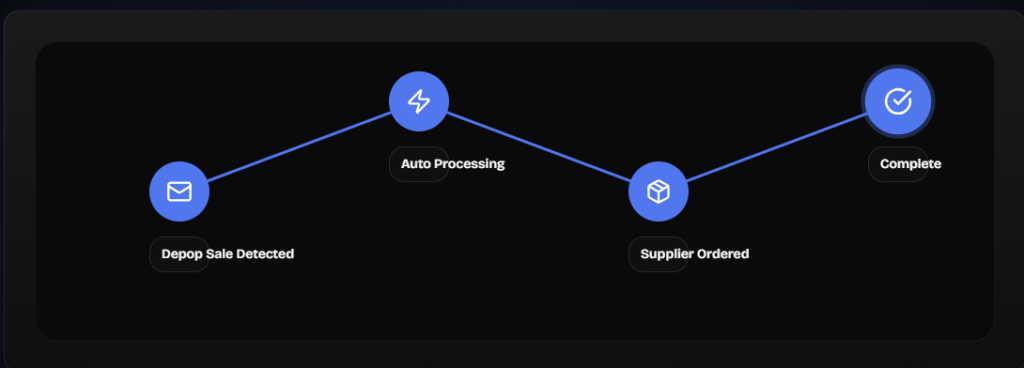
Droppop AI: Machine Learning and Predictive Sourcing
The core functionality of droppop ai is built upon a proprietary machine learning model. This model is trained on millions of historical data points from diverse e-commerce sources. The primary goal of the AI is to reduce the “human error” factor in product selection.
Neural Network Layers in Droppop
The droppop ai system utilizes a multi-layered neural network to process incoming market data.
- Data Ingestion Layer: This layer pulls raw data from APIs, including sales figures from dropop and pricing fluctuations from various marketplaces.
- Feature Extraction Layer: The AI identifies specific attributes of a product—such as color, material, brand name, and price point—that contribute to its success.
- Predictive Layer: Based on the a6x6t matrix, this layer assigns a probability score to the product’s future performance.
Practical Applications of the AI
Users of droppop.io interact with the AI through a simplified dashboard. The AI provides “Daily Drops,” which are curated lists of products that have passed a specific threshold of viability. This removes the need for manual spreadsheet analysis, allowing the user to focus on marketing and logistics.
video: Droppop AI trend analysis walkthrough
Droppop.io Platform Infrastructure
The technical infrastructure of droppop io is designed for high availability and low latency. Because e-commerce trends can change in a matter of hours, the platform requires a robust backend capable of processing large volumes of data in real-time.
Server Architecture
The platform utilizes a distributed cloud architecture. This ensures that even during high-traffic periods—such as during a major “drop pop” event or a holiday sale—the dashboard remains responsive.
- Load Balancing: Distributes incoming traffic across multiple server nodes to prevent crashes.
- Database Sharding: Fragments the massive product database into smaller, manageable pieces to speed up search queries.
- Edge Computing: Uses content delivery networks (CDNs) to serve data from servers closest to the user’s physical location.
API Integration and Extensibility
Droppop io provides an API for advanced users who wish to integrate the sourcing data into their own custom-built stores or management tools. The API supports RESTful protocols and provides JSON outputs for easy parsing.
- Authentication: Uses OAuth2 for secure access.
- Endpoints: Includes endpoints for
/products,/trends,/competitors, and/history. - Rate Limiting: Ensures fair usage of the system resources among all subscribers.
Droppop and the Depop Marketplace
The relationship between droppop and depop is one of data analysis and market supply. Depop, a popular fashion marketplace, relies heavily on unique, vintage, and trendy items. Droppop provides the analytical tools necessary to succeed in this specific environment.
Sourcing for Depop
Sellers on Depop often struggle with finding consistent inventory. The droppop io platform allows these sellers to:
- Identify which vintage eras are currently trending (e.g., Y2K, 90s Grunge).
- Determine the optimal price point for specific brands based on recent sales data.
- Analyze competitor “shops” to see what items are currently in their “carts” or “likes.”
The “Drop Pop” Strategy
In the context of the platform, a “drop pop” refers to the sudden surge in popularity of a specific item or category. Droppop’s tracking software identifies these pops in their infancy. For example, if a specific style of cargo pants begins to see a 20% week-over-week increase in mentions, the droppop ai will flag this as a potential “pop,” allowing sellers to acquire inventory before the price rises at the wholesale level.
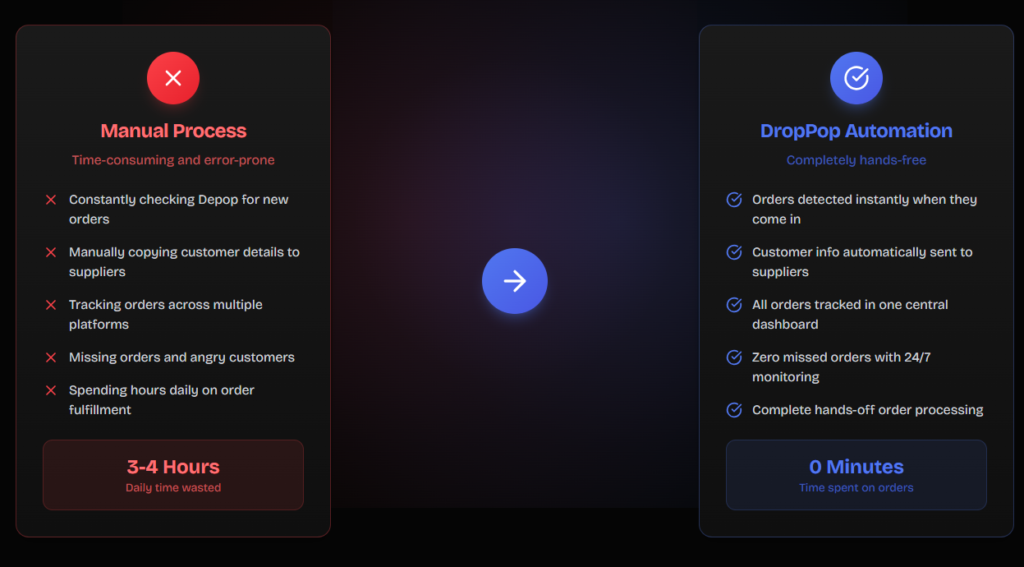
Droppop Flippa: Valuation and Asset Flipping
A unique aspect of the ecosystem is the connection to droppop flippa. Flippa is a marketplace for buying and selling digital assets, including e-commerce stores.
Valuing Stores Using Droppop Data
When a store is listed on Flippa, its value is largely determined by its historical revenue and the sustainability of its niche. Potential buyers use droppop.io to:
- Verify Sourcing Integrity: Ensure the store isn’t relying on “dying” trends.
- Analyze Growth Potential: Use the a6x6t matrix to see if the store’s niche is expanding.
- Assess Risk: Identify if the store’s primary products are becoming oversaturated.
Building to Flip
Many entrepreneurs use droppop ai to build “turnkey” stores specifically for the purpose of selling them on Flippa. By using AI to select winning products and establish a proven sales record, they can sell the store at a multiple of its monthly profit. This process is often referred to as “store flipping” or “e-commerce arbitrage.”
Technical Specifications and Pricing Models
To understand the accessibility of the platform, one must examine the specific technical requirements and the cost of entry.
System Requirements
As a web-based platform, droppop io does not require high-end local hardware. However, for optimal performance, the following is recommended:
- Browser: Modern versions of Chrome, Firefox, or Safari.
- Internet: High-speed broadband for real-time data streaming.
- Mobile: The platform is responsive, allowing for management via mobile devices for “on-the-go” sourcing.
Pricing Tiers
The pricing for droppop and its associated AI features is typically structured in tiers to accommodate different levels of sellers.
- Starter Tier: Designed for individuals just beginning their journey on platforms like Depop. Includes basic product searches and limited AI “drops.”
- Professional Tier: Aimed at full-time sellers. Includes full access to the a6x6t analytical tools, unlimited keyword tracking, and competitor monitoring.
- Enterprise Tier: For large-scale operations and those using droppop flippa for high-value asset trading. Includes API access and dedicated account management.
(Note: Pricing is subject to change based on market conditions and software updates.)
Case Study 1: The “Y2K Aesthetic” Surge
In early 2023, droppop ai identified a significant uptick in searches for specific “Y2K” era accessories.
Background: A user specializing in Depop sales noticed their sales were stagnating. They implemented the droppop.io “Trend Hunter” tool.
Action: The AI flagged “shield sunglasses” and “rhinestone belts” as high-velocity items with low saturation. The user sourced 200 units of various styles.
Results:
- Sell-through rate: 85% within the first 14 days.
- Profit Margin: 300% markup from wholesale.
- Feedback: The user achieved “Top Seller” status on Depop within three months by consistently following the AI’s recommendations.
Case Study 2: Flippa Asset Management
An investor used droppop flippa data to acquire an underperforming dropshipping store.
Background: The store was selling generic fitness trackers. Sales were declining due to high saturation.
Action: Using the droppop io competitive analysis, the investor discovered that while trackers were down, “recovery tools” (like massage guns and compression gear) were in the “Innovation” phase of the a6x6t matrix.
Transformation: The investor rebranded the store and shifted the inventory based on droppop ai suggestions.
Results: The store’s monthly revenue increased from $2,000 to $15,000. It was eventually re-listed on Flippa and sold for $120,000, a 6x return on the initial investment.
Comparative Analysis: Droppop vs. Traditional Tools
When comparing droppop to other market leaders, several key differences emerge in the methodology and technical execution.
| Feature | Droppop / Droppop.io | Traditional Sourcing Tools |
|---|---|---|
| Logic Engine | a6x6t Predictive Matrix | Historical Averaging |
| Data Refresh | Real-time / 5-minute intervals | Daily or Weekly |
| Niche Focus | Resale (Depop), Viral Trends | General Amazon/eBay |
| AI Integration | Deep Learning (droppop ai) | Rule-based filters |
| Exit Strategy | Integrated Flippa Valuation | None |
Pros and Cons
Pros:
- Speed: Identifies trends faster than manual research.
- Accuracy: Reduces the risk of “dead stock” through the a6x6t validation process.
- Integration: Seamlessly works with major marketplaces.
- User Interface: Simple, direct, and factual data presentation.
Cons:
- Learning Curve: The a6x6t metrics require time to fully understand.
- Subscription Cost: The professional tiers may be expensive for hobbyist sellers.
- Market Dependence: The AI is only as good as the data available from the marketplaces.
Operational Mechanics: Step-by-Step Usage
Using droppop io effectively requires a systematic approach to data.
- Setting the Parameters: The user inputs their budget, preferred platforms (e.g., Depop), and target profit margins.
- Running the a6x6t Scan: The system scans thousands of listings and filters them through the 36-point matrix.
- Evaluating the “Drop”: The user reviews the AI-generated list. Each item is accompanied by a “Viability Score.”
- Sourcing: The system provides links to potential suppliers or suggests keywords for manual sourcing.
- Monitoring: Once an item is listed, the user tracks its performance through the droppop io dashboard to decide when to restock or pivot.
Technical Deep Dive: The Data Ingestion Engine
The efficiency of droppop.io is largely due to its custom-built scrapers and API connectors.
Handling Anti-Scraping Protocols
Marketplaces often employ anti-scraping measures. The droppop technical team uses advanced techniques to ensure consistent data flow:
- Residential Proxies: Rotating IP addresses to avoid detection.
- Headless Browsers: Simulating real user behavior to bypass bot detection.
- Data Sanitization: Cleaning raw HTML and JSON data to ensure only relevant metrics are stored in the droppop ai database.
Data Storage and Retrieval
The platform uses a hybrid database approach.
- NoSQL (MongoDB): For storing unstructured product data and descriptions.
- Relational (PostgreSQL): For managing user accounts, subscriptions, and financial transactions.
- Time-Series (InfluxDB): To track price fluctuations and sales velocity over time.
Risk Management and Market Volatility
No e-commerce tool can guarantee success, as market conditions are inherently volatile. Droppop addresses this by incorporating risk management features.
Saturation Alerts
The droppop ai monitors how many other users are looking at or “tracking” a specific item. If too many users are targeting the same product, the system issues a saturation alert, warning the user that the profit margin may soon compress.
Diversification Strategies
The a6x6t framework encourages users to diversify their inventory. Instead of “all-in” on one product, the system suggests a portfolio approach, spreading risk across multiple categories with different trend lifecycles.
Future Projections for Droppop AI
As artificial intelligence continues to advance, the capabilities of droppop.io are expected to expand into several new areas.
- Visual Search Integration: Allowing users to upload a photo of an item they found in the “wild” and having the AI instantly provide market data and sourcing options.
- Automated Listing Creation: Using generative AI to write optimized titles and descriptions for Depop based on the highest-performing keywords found in the droppop database.
- Predictive Logistics: Integrating with shipping carriers to predict delays and suggest the most efficient routes for international sourcing.
- Enhanced a6x6t Modeling: Incorporating more sentiment analysis from social media platforms like TikTok and Instagram to further refine the “Temporal” variables of the matrix.
The Role of “Dropop” and “Drop Pop” in Modern Retail
The terms dropop and drop pop are frequently used in the industry to describe the act of launching a limited-time inventory release. These “drops” create a sense of urgency and exclusivity.
Droppop provides the technical backbone for executing these drops successfully. By knowing exactly what the market wants and when they want it, sellers can time their drops for maximum impact. This strategy is common among streetwear brands and high-end vintage curators.
Psychological Factors in Dropping
The effectiveness of a “drop pop” is rooted in the psychology of scarcity. When the droppop ai identifies a product with low supply but rapidly increasing engagement, it is essentially identifying a psychological “trigger” point in the consumer base.
Technical Support and Community
A significant part of the droppop io ecosystem is the support network.
- Knowledge Base: A repository of technical articles explaining the nuances of the a6x6t system.
- Discord Community: A place for users to share findings and discuss market shifts.
- Direct Support: Technical assistance for API integrations and account management.
Summary of the Droppop Ecosystem
The integration of droppop, droppop.io, and droppop ai creates a comprehensive environment for modern e-commerce entrepreneurs. By moving away from “gut feeling” and toward the data-driven a6x6t methodology, sellers can operate with a higher degree of certainty. Whether sourcing for a personal Depop shop or building a multi-million dollar asset for sale on Flippa, the platform provides the necessary tools for technical market analysis.
The platform’s focus on simple, factual data delivery ensures that users are not overwhelmed by hype but are instead equipped with actionable insights. As the digital marketplace continues to grow in complexity, the role of specialized sourcing and valuation tools like droppop will likely become a standard requirement for any competitive e-commerce operation.
Technical Specifications Recap
- Backend: Distributed Cloud Architecture.
- AI Core: a6x6t Neural Matrix.
- Primary Use Case: Trend identification, Sourcing, Asset Valuation.
- Market Compatibility: Depop, Shopify, Flippa, eBay, and more.
- Data Update Frequency: Near real-time.
By adhering to these technical standards and focusing on the core metrics that drive consumer behavior, droppop.io remains a prominent tool in the arsenal of the modern digital merchant.
